
Knowledge Pro
NCHR plays a critical role in knowledge production, generating a diverse range of outputs including investigative reports, films and videos, policy briefs, advocacy materials, training manuals, and alternative reports to international human rights mechanisms.
The Commission’s investigative reports are regularly cited in court judgments, underscoring their credibility and contribution to the development of human rights jurisprudence in Pakistan.
Civil society organisations (CSOs) actively utilise NCHR’s data and analysis to inform their programming, advocacy strategies, and action plans.
In a context where human rights defenders often face risks and intimidation, NCHR collaborates closely with CSOs to support the responsible dissemination of sensitive information. By providing a secure platform and institutional credibility, the Commission enables partners to highlight critical human rights issues safely and effectively.
Please visit the Reports section of this website to view published material:
Link : https://nchr.gov.pk/nchr.reports/
Here’s a closer look at how this function operates:
Investigating Human Rights Violations
NCHR’s dedicated team of researchers conducts meticulous investigations into instances of human rights violations. Through a combination of qualitative and quantitative research methods, they gather evidence, interview witnesses, and analyse data to uncover the truth behind alleged violations. These investigations are critical in not only substantiating claims but also providing a comprehensive understanding of the nature and scope of the violations.
Report Launches
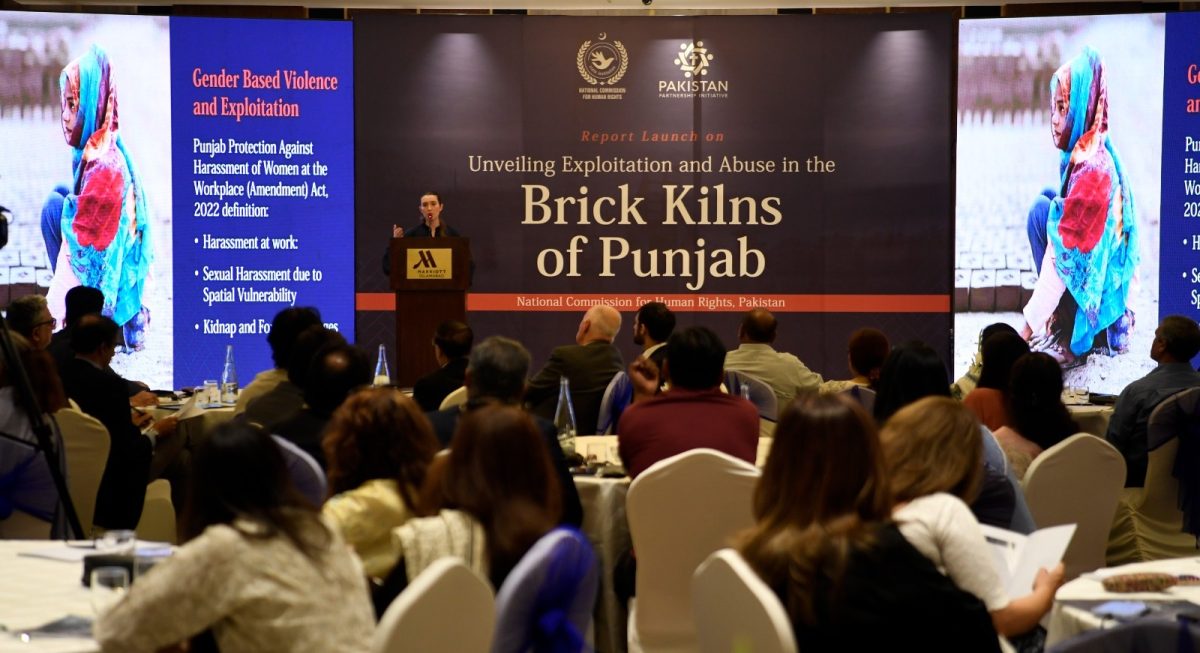
NCHR’s report launches are pivotal events where the institute engages with a broader audience. These events serve as platforms to disseminate research findings, raise awareness about human rights issues, and advocate for change. Report launches bring together government officials, civil society representatives, international organizations, and the public to discuss the findings and policy recommendations. These gatherings are instrumental in fostering dialogue, garnering support for human rights initiatives, and holding stakeholders accountable for addressing violations.
Informing Policy Recommendations
NCHR’s Knowledge Production function goes beyond merely identifying violations; it also actively contributes to the formulation of policy recommendations. By analysing research findings, trends, and patterns, the function helps the Commission develop evidence-based and contextually relevant policy documents. These recommendations cover a wide spectrum of human rights issues, aiming to address root causes, improve legal frameworks, and enhance protection mechanisms.
In essence, NCHR’s Knowledge Production function acts as a bridge between investigating human rights violations, crafting informed policy recommendations, and effectively communicating these findings to a wide audience through report launches. Through this integrated approach, NCHR strives to create a more just and rights-respecting society where human rights are upheld and protected for all.
NCHR strategically employs various forms of media and filmmaking as powerful tools for its knowledge production and dissemination goals. Recognizing the profound impact of visual storytelling, documentaries, and multimedia resources, the Commission collaborates with filmmakers, media outlets, government and civil society organizations to amplify its message and reach diverse audiences. This multifaceted approach ensures that NCHR’s knowledge production efforts are inclusive, engaging, and impactful. Some examples include;
Aagahi Series
‘Aagahi’ is a series of videos designed to raise awareness about pressing on critical topics like acid crimes, honour killings, rape, domestic violence, sexual harassment, knowledge of nikahnamas (the marriage contract), and the process of filing an FIR with the police.
Film Links: https://www.youtube.com/playlist?list=PL0jT5nQn5YdMdjT3qH0bfJtHksto9SSqP
Women’s Right to Inheritance
A documentary series comprising of 4 short films, that goes behind the scenes to show the reality of what it is like for women fighting for their inheritance rights in Pakistan.
Film Link (1): https://www.youtube.com/watch?v=brxUUc0czmw
Film Link (2): https://www.youtube.com/watch?v=qZbJsYd47Fw
Film Link (3): https://www.youtube.com/watch?v=IFhk5sccslM
Film Link (4): https://www.youtube.com/watch?v=NO914_IQyvA
‘Fairy’ (Series of 3 short films on child domestic labor)
Short but powerful web-series on child domestic labor, produced in collaboration with Group Development Pakistan, Ministry of Law & Justice, and the Parliamentary Caucus on Child Rights
Film Link (1): https://www.youtube.com/watch?v=bX-QlZJB-Kg
Film Link (2): https://www.youtube.com/watch?v=yitd9MSOV9s
Film Link (3): https://www.youtube.com/watch?v=33kIHUE_Kec
Systemic Discrimination of Sanitation Workers
Film ‘Hellhole’ was produced on the death of a sanitation worker and depicts the dark, gruesome reality that sanitary workers are subjected to day in and day out.. It was licensed and screened at an NCHR report launch event and distributed on social media.
Film ‘Minority Rights: Discrimination against sanitation workers’ was based on the deaths of two sanitation workers, Nadeem and Faisal Masih. It showcases the danger and discrimination prevalent in this line of work, the high number of casualties and the impact on the families of the deceased.
Film Link: https://www.youtube.com/watch?v=jtWVrTDlQwI
Film Link: https://www.youtube.com/watch?v=juXIIGRC6gc
Bonded Labor
Film produced and disseminated on the topic of bonded labor, which is a widespread socio-economic phenomenon in Pakistan, affecting over three million people. For its report and documentary, NCHR met with a family of freed bonded laborers and interviewed them. The family had been trapped in a cycle of bonded labor for 30 years. NCHR also interviewed another man who inherited his father’s debt equivalent to 450 USD, and spent 32 years trying to pay it off.
Film Link: https://www.youtube.com/watch?v=PF_qqrOEB1I
All reports are available at https://nchr.gov.pk/nchr-reports/
Drivers of Forced Conversion through Marriage in Pakistan
Forced Conversion through Marriage in Pakistan remains a grave human rights concern, disproportionately impacting minor girls and women from Religious Minority Communities (RMCs). Although Pakistan’s legal framework recognizes and protects religious freedom, FCM continues to persist, driven by deeply rooted socio-cultural, economic, and political factors that reinforce the vulnerability of these communities.
This joint study by NCHR and the Legal Aid Society (LAS) examines the underlying drivers of FCM, with a particular focus on how gender, religion, and patriarchy intersect to perpetuate this practice. It sheds light on the complexity of “force” and “consent,” identifying eight distinct scenarios of FCM: willful, for shelter, induced, fraudulent, motivated by greed, exploitative, under duress, and forceful.
Drawing on Key Informant Interviews (KIIs), In-Depth Interviews (IDIs) with survivors, and secondary research, the study highlights how perpetrators exploit religious and patriarchal ideologies to legitimize their actions. These acts are often reinforced by weak investigative and prosecutorial processes, entrenched societal power dynamics, and the protection afforded to perpetrators by influential local actors. The socio-economic and political marginalization of RMCs further limits the autonomy of women and girls, leaving them trapped in cycles of exploitation, abuse, and restricted opportunities particularly in education.
The report presents a set of comprehensive recommendations aimed at ensuring protection, justice, and rehabilitation for victims, while addressing systemic and social causes of forced conversions through marriage. To ensure that religious conversions, particularly those linked with marriage, are voluntary and transparent, the report calls for formal judicial oversight and standardized certification mechanisms.Courts should verify the voluntariness of conversions, especially for women and minors, by issuing notices and supervising the process.
- Alleged converts should be placed in protective shelters until voluntariness is confirmed.
- A state-led certification system should be introduced to assess consent, record details, and maintain official documentation.
- Separate legal protocols for adults and minors must be defined to distinguish voluntary conversions from abductions or forced marriages.
To improve institutional handling, the report stresses the reform and sensitization of the Criminal Justice System (CJS):
- Strict enforcement of existing laws protecting minorities and prosecuting offenders.
- Legal reforms to explicitly criminalize forced conversions, abduction, and coercion.
- Specialized FCM Investigation Officers trained in cultural and religious sensitivities should be appointed.
- Sensitization training for police, prosecutors, and judges should include survivor protection, trauma awareness, understanding of minority contexts, and case management of FCM.
Social change is also emphasized through education, awareness, and community engagement:
- Address root causes like poverty, patriarchy, and extremist ideologies.
- Empower religious minority communities through education, employment, and economic inclusion, especially for women and girls.
- Conduct public awareness campaigns about legal rights and protections.
- Promote interfaith dialogue and tolerance to build inclusive communities.
Lastly, the report highlights rehabilitation and institutional support for survivors:
- Provide psychological counseling, legal aid, safe housing, and reintegration programs.
- Strengthen cross-provincial coordination for handling cases involving multiple jurisdictions.
- Establish data collection and monitoring systems, including a national database on conversions and forced marriages.
- Form provincial multi-stakeholder committees including NCHR, child and women commissions, and civil society to oversee FCM cases, ensure accountability, and recommend policy actions.
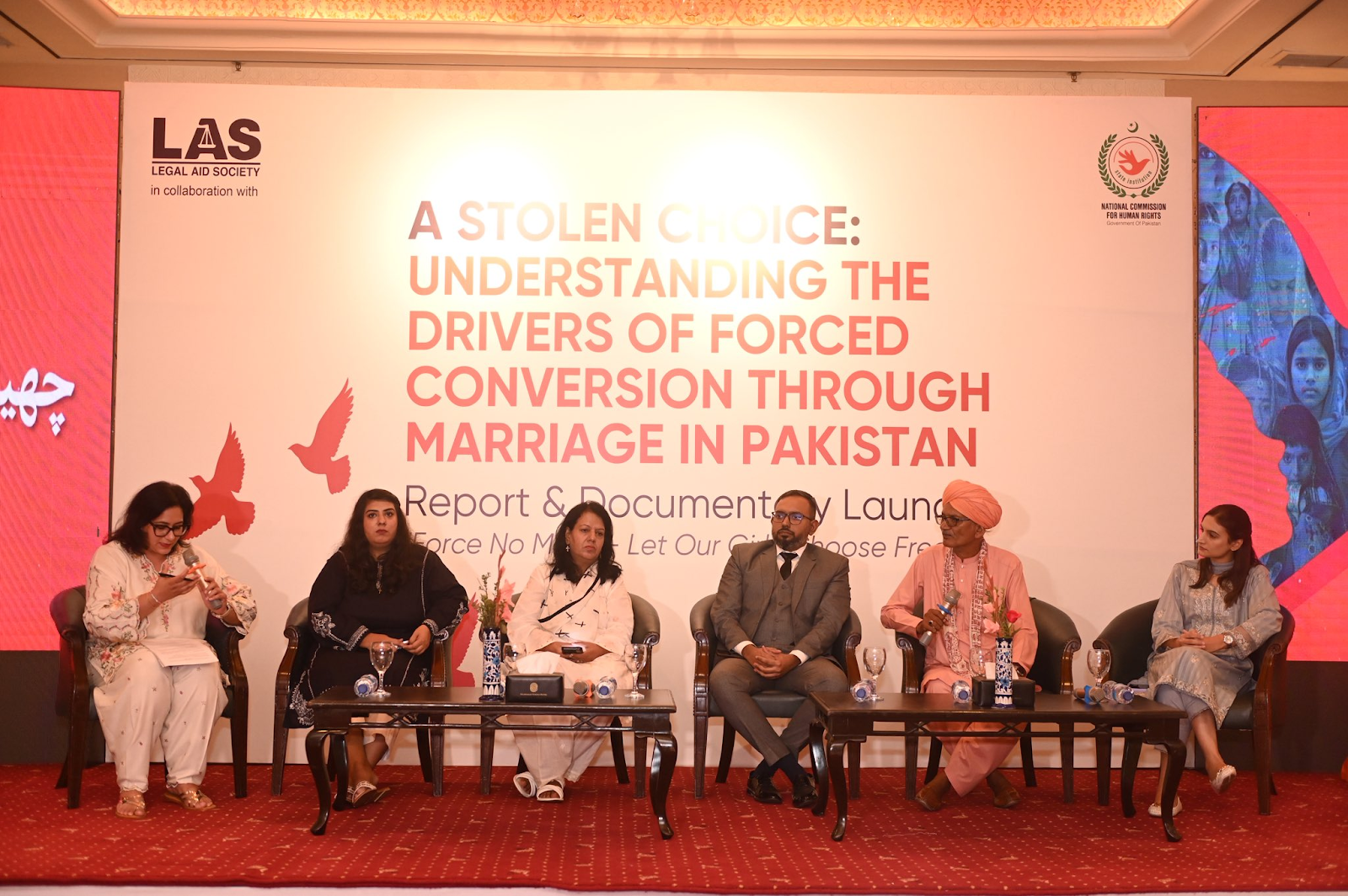
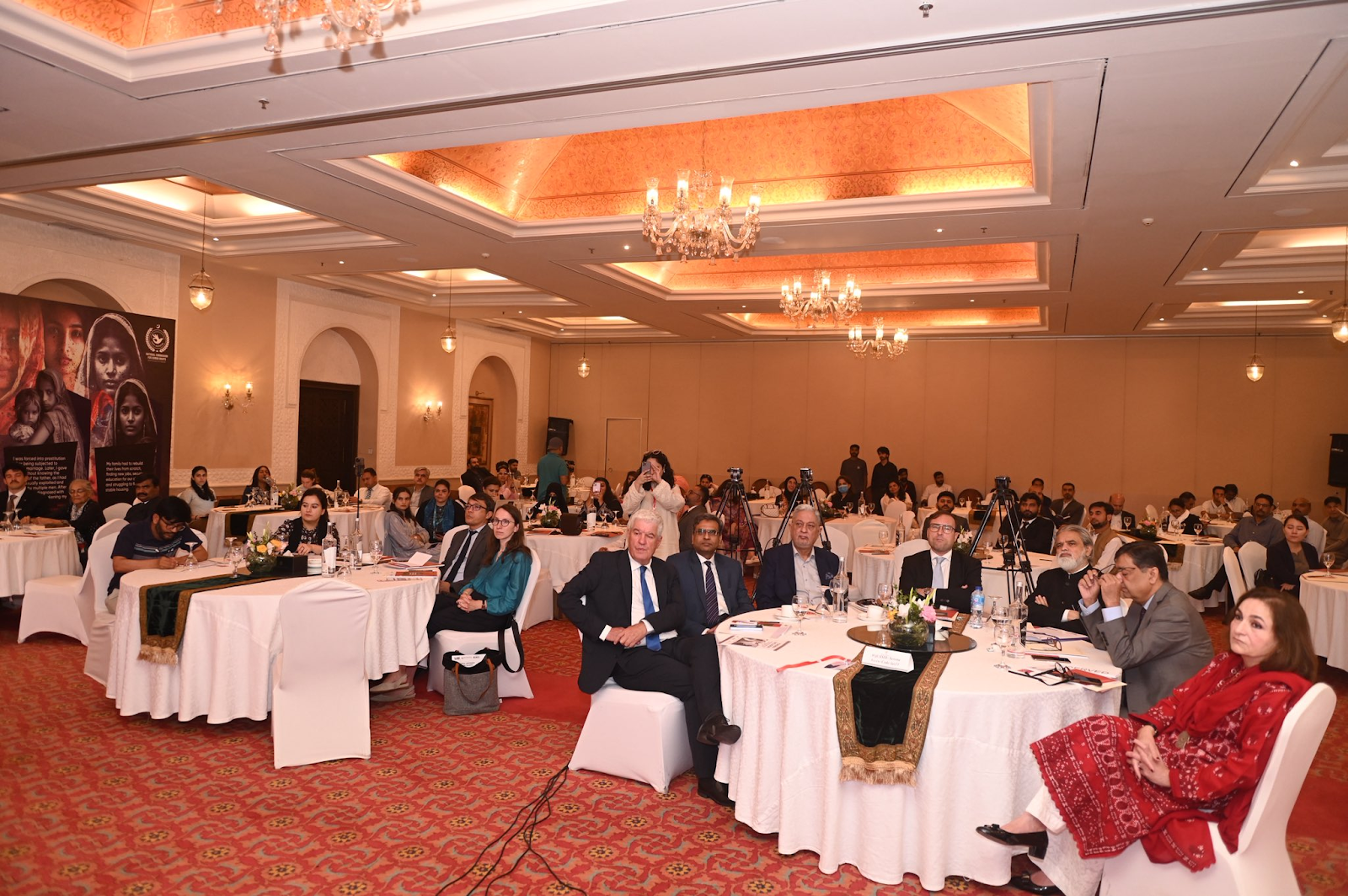
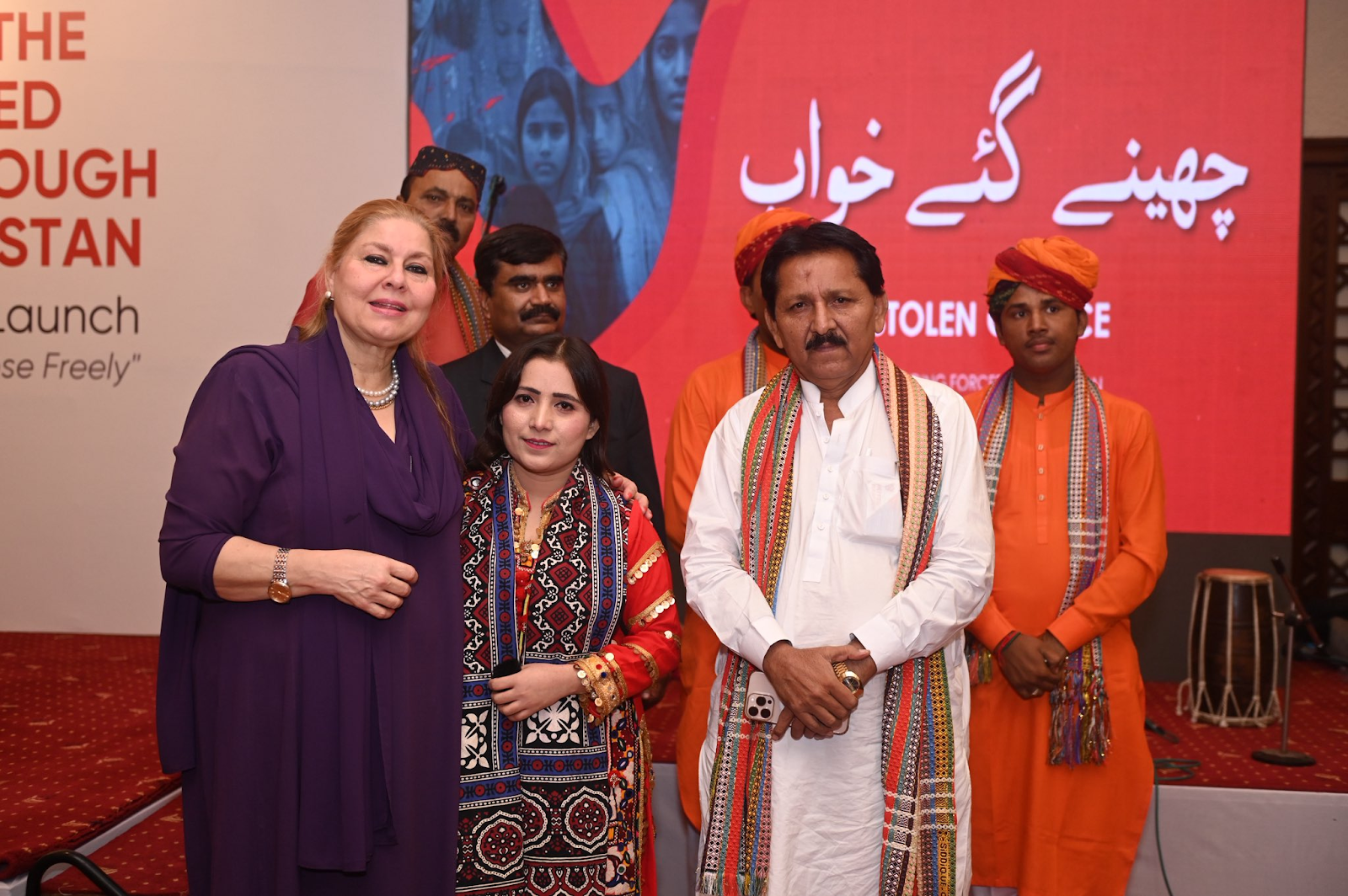
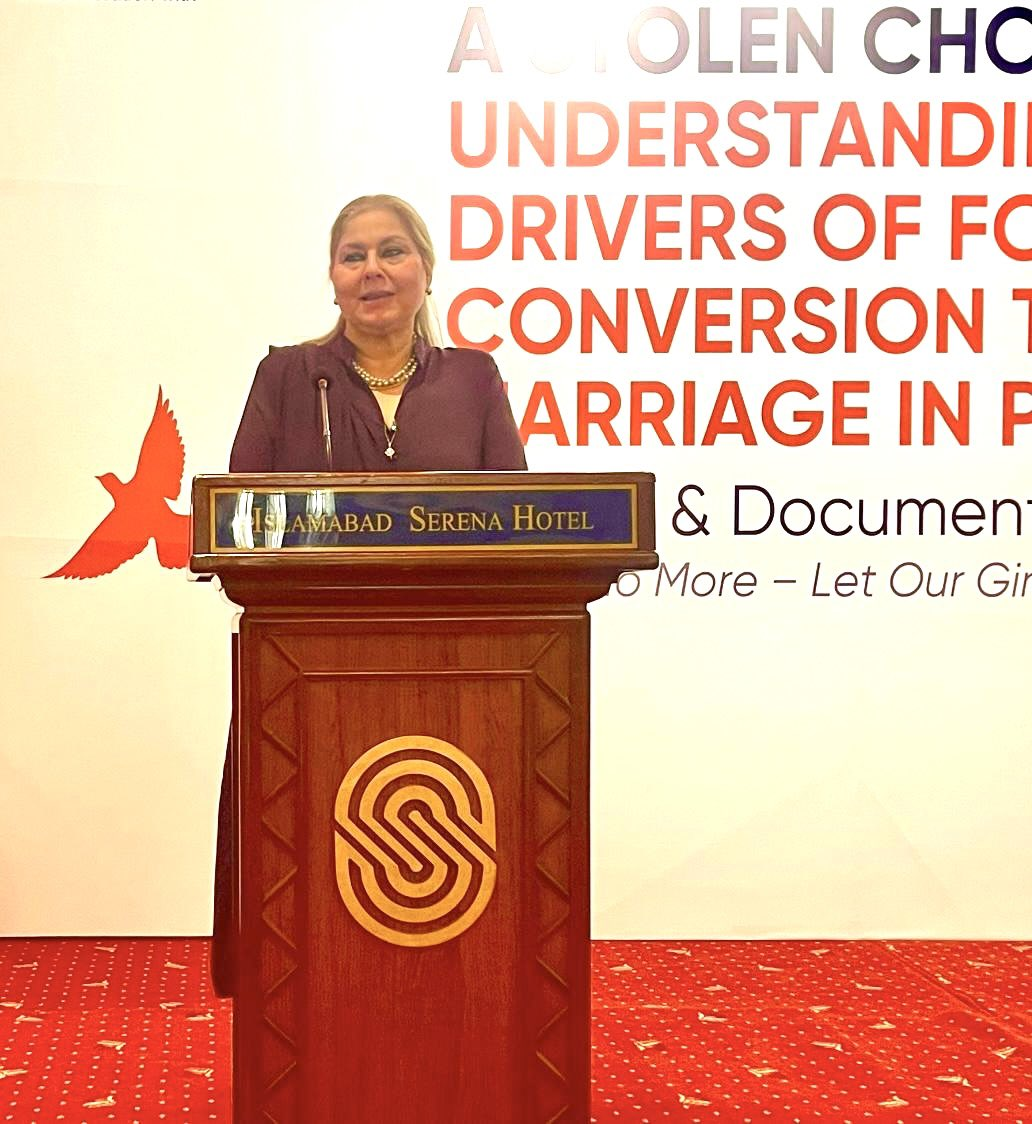
NCHR, in collaboration with LAS, also held a joint launch event for this comprehensive report and documentary film addressing the critical issue of these forced conversions through marriage in Pakistan. The event was attended by a diverse group of stakeholders, including civil society members, government officials, and human rights advocates, who expressed strong support and appreciation for highlighting this pressing human rights concern.
Situation Analysis: Sectarian Conflict in Kurram District
The Kurram District has been engulfed in a protracted humanitarian and security crisis, marked by recurring sectarian violence between Shia and Sunni tribes. Rooted in longstanding land disputes and aggravated by the involvement of external militant groups, the conflict has escalated into deadly confrontations, most recently triggered by a land lease dispute and an ambush on the Thall-Parachinar highway. To date, the violence has claimed over 600 lives, left residents in acute distress, and severely disrupted access to essential services, including medical aid, food, and other basic necessities.
Recognizing the grave violation of the Right to Life and Security of Person, as guaranteed under Pakistan’s Constitution and international human rights instruments such as the ICCPR and UDHR, NCHR undertook a Situation Analysis of the crisis. The situational report was based on survivor interviews and accounts made before the commission. The Commission has actively monitored media reports, addressed petitions and appeals from residents of Parachinar, and engaged directly with other victims of the November 21st militant attacks, particularly members of the Turi Tribe who reported ongoing targeted threats.
The analysis highlights how cycles of fragile peace in Kurram are consistently disrupted by sudden outbreaks of violence. The October 12th shooting in Kunj Alizai triggered the closure of the Thall-Parachinar highway, the region’s lifeline to Peshawar severing access to critical supplies. The November 21st ambush, which claimed 54 lives, underscored the vulnerability of civilian convoys and the inadequacy of existing security measures. Efforts at peace, including a Grand Jirga in Kohat that produced a January 1st, 2025 peace agreement, collapsed almost immediately following an attack on the Deputy Commissioner’s convoy on January 3rd.
The resulting humanitarian emergency continues to trap civilians in worsening conditions, with food shortages, lack of medicines, and insufficient heating supplies during winter months.
Through this Situation Analysis, NCHR urges the Government of Pakistan to take urgent and assertive action to:
- Ensure security and protection of civilians in Kurram.
- Guarantee uninterrupted access to essential goods and services.
- Strengthen peacebuilding measures that address both immediate violence and long-standing structural grievances.
This publication reflects the Commission’s responsibility to carefully document and respond to patterns of human rights violations in conflict-affected areas. Grounded in credible evidence, it is intended to inform national policy discussions, support calls for accountability, and bring the lived experiences and concerns of affected communities to the attention of senior decision-makers.
NCHR Investigation into Blasphemy Cases Involving Entrapment
In response to alarming complaints about young individuals being entrapped in blasphemy cases through alleged pornographic and blasphemous websites, the National Commission for Human Rights (NCHR) launched an independent investigation in October 2023. The purpose of the inquiry was to assess the credibility of reported patterns, examine contributing factors behind the increase in such cases over the preceding years, and evaluate compliance with due process and fair trial safeguards.
As part of this extensive investigation, the NCHR conducted visits to prisons across the country, interviewed inmates accused under blasphemy laws, met with their families, and held consultations with key stakeholders, including law enforcement and government officials. The inquiry raised serious concerns relating to investigative practices, detention conditions, and procedural safeguards.
It uncovered a troubling pattern in which young men were deliberately targeted using deceptive tactics including female operatives posing under false identities to lure them into online conversations that were later used as grounds for blasphemy charges. In many cases, arrests were not made by official law enforcement but by private individuals, and the accused were often subjected to torture, forced confessions, and denied access to legal representation.
The investigative process itself was riddled with serious procedural flaws. Authorities routinely failed to conduct proper forensic analysis of electronic devices, further undermining the credibility of these cases. NCHR observed concerns relating to detention conditions and protection risks for individuals accused in such cases, including the use of “protective custody” arrangements. The inquiry noted issues linked to overcrowding, safety risks, and allegations of coercion and exploitation within detention settings. Their privacy was routinely violated, and they were often left without any form of psychological or legal support.
The inquiry highlighted a deeper, systemic issue: a lack of support structures for young people struggling with pornography addiction, inadequate mental health resources, and poor digital literacy. These vulnerabilities made them easy targets for exploitation.
In light of these findings, the NCHR issued a strong call for sweeping reforms. Key recommendations included forming a Joint Investigation Team (JIT) to re-examine such cases, reviewing the practices of the FIA and its private collaborators, and significantly improving digital literacy and mental health services for the youth. The Commission also emphasized the importance of public awareness campaigns to educate citizens on safe and responsible internet use.
Building on this momentum, the case gained further legal traction in 2025 when it was brought before the Islamabad High Court. After nearly 40 hearings, the Court issued a detailed and powerful judgment acknowledging the existence of entrapment in several cases. The judgment urged immediate action and recommended the formation of an independent inquiry commission to conduct a thorough investigation into these abuses.
However, the respondents have since filed an appeal against the High Court’s ruling, which remains pending. Despite this, the NCHR’s inquiry has sparked widespread public awareness, making citizens, especially the youth more cautious and informed about their digital behavior and rights.
This landmark investigation and the subsequent legal battle mark a crucial step toward justice, transparency, and the protection of vulnerable individuals caught in the crosshairs of systemic abuse.
Prevention of Torture Training Manual (Developed in Collaboration with Justice Project Pakistan – JPP)
Torture is universally recognized as one of the gravest violations of human rights. It causes irreparable physical and psychological harm, undermines justice, and erodes public trust in state institutions. Despite its absolute prohibition under international and domestic law, the practice persists due to systemic gaps in law enforcement culture, weak accountability, and lack of awareness. To address this, the National Commission for Human Rights (NCHR), in collaboration with the Justice Project Pakistan (JPP), developed a “Prevention of Torture Training Manual” as a practical resource to guide public officials in embedding human rights standards into everyday law enforcement practices.
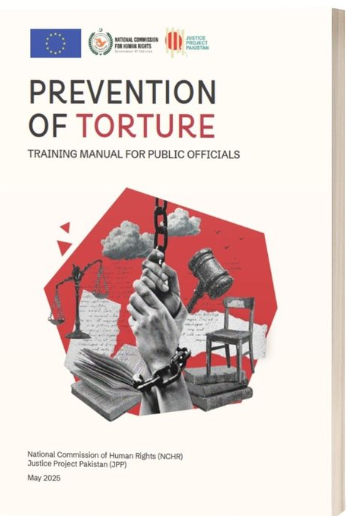
The manual is tailored for a wide range of public officials empowered to hold individuals in custody or maintain public order including the police, prison authorities, the Federal Investigation Agency (FIA), Anti-Narcotics Force (ANF), Intelligence and Counter-Terrorism Units, Military Police, and provincial law enforcement agencies such as Rangers, Levies, and Frontier Constabulary. By providing clear principles, legal standards, and practical guidance, it seeks to ensure that officials carry out their duties in full compliance with human rights obligations.
The training manual highlights why a human rights based approach is critical: it strengthens the legitimacy of law enforcement agencies, fosters public trust, reduces abuses of power, and enhances cooperation between communities and state institutions. Respect for human dignity not only prevents torture but also improves the effectiveness of investigations, facilitates international cooperation, and protects the personal and professional integrity of public officials themselves.
Key objectives of the manual include:
- Educating public officials on the principles of human rights and human dignity.
- Reinforcing officials’ legal obligations to refrain from torture and ill-treatment in all circumstances.
- Promoting lawful and effective methods of interrogation as alternatives to coercive practices.
- Supporting the creation of a culture of accountability, compliance, and respect for human rights in law enforcement.
- Enhancing awareness of the consequences and penalties associated with torture, including criminal liability.
By the end of this training, public officials are expected to demonstrate an improved understanding of international and domestic prohibitions on torture, recognize the importance of lawful practices, and integrate these standards into their professional conduct.
Alongside the development of the Prevention of Torture Training Manual, NCHR organized “Training of Trainers” sessions at its Head Office and Sindh Regional Office as well as developed a “Protocol for Recieving Processing & Resolving Torture Complaints”. The Protocol and these sessions were designed to equip Commission officers with the knowledge and skills needed to effectively handle torture-related cases in line with the guidance provided in the manual. Representatives from JPP led the training, ensuring that NCHR officers were prepared to approach such cases with sensitivity, professionalism, and a strong commitment to upholding human rights.
This initiative represents a significant step in NCHR’s knowledge production role providing state institutions with a structured tool to prevent torture and uphold the rule of law. Through this manual, NCHR reaffirms its commitment to advancing legal and institutional reforms that align Pakistan with its human rights obligations and ensure the protection of all individuals in custody.
Submission on the Convention on the Rights of the Child (CRC) – 2025
In line with its statutory mandate under the NCHR Act, 2012, and in accordance with the Paris Principles, NCHR prepared and submitted an independent report to the UN Committee on the Rights of the Child (CRC) for Pakistan’s 2025 review. This submission represents NCHR’s continuing role as an ‘A’ status National Human Rights Institution (NHRI) to provide credible, evidence-based assessments of Pakistan’s compliance with international human rights treaties.
The report was developed through a consultative and inclusive process, drawing on independent research, monitoring, and collaboration with civil society organizations, UN agencies, government stakeholders, and critically direct consultations with children. By incorporating the perspectives of children, including those in schools, child protection institutions, and juvenile detention centers, the submission ensures that the voices and lived experiences of children, particularly those from marginalized backgrounds, inform its analysis and recommendations. The NCHR’s submission highlights key challenges affecting children’s civil, political, social, economic, and cultural rights in Pakistan. These include the impacts of economic instability, rising poverty exacerbated by the 2022 floods, harmful gender and social norms, and demographic pressures. It also recognizes ongoing efforts by the Government of Pakistan, such as provincial child protection laws, the operationalization of child protection mechanisms, and the establishment of the National Commission on the Rights of Child (NCRC).
The report raises concerns regarding gaps in implementation and enforcement while emphasizing areas where reforms are urgently needed such as strengthening justice for children, improving alternative care policies, tackling child labour and trafficking, and ensuring access to education and protection from violence. Each thematic area of concern is accompanied by recommendations to guide Pakistan in meeting its obligations under the UNCRC.
Through this alternate reporting process, NCHR has contributed to strengthening international accountability, ensuring that Pakistan’s progress and challenges in realizing children’s rights are accurately presented to the Committee. The submission reflects NCHR’s commitment to evidence-based advocacy, inclusive knowledge production, and advancing child rights protection at both the national and international levels.
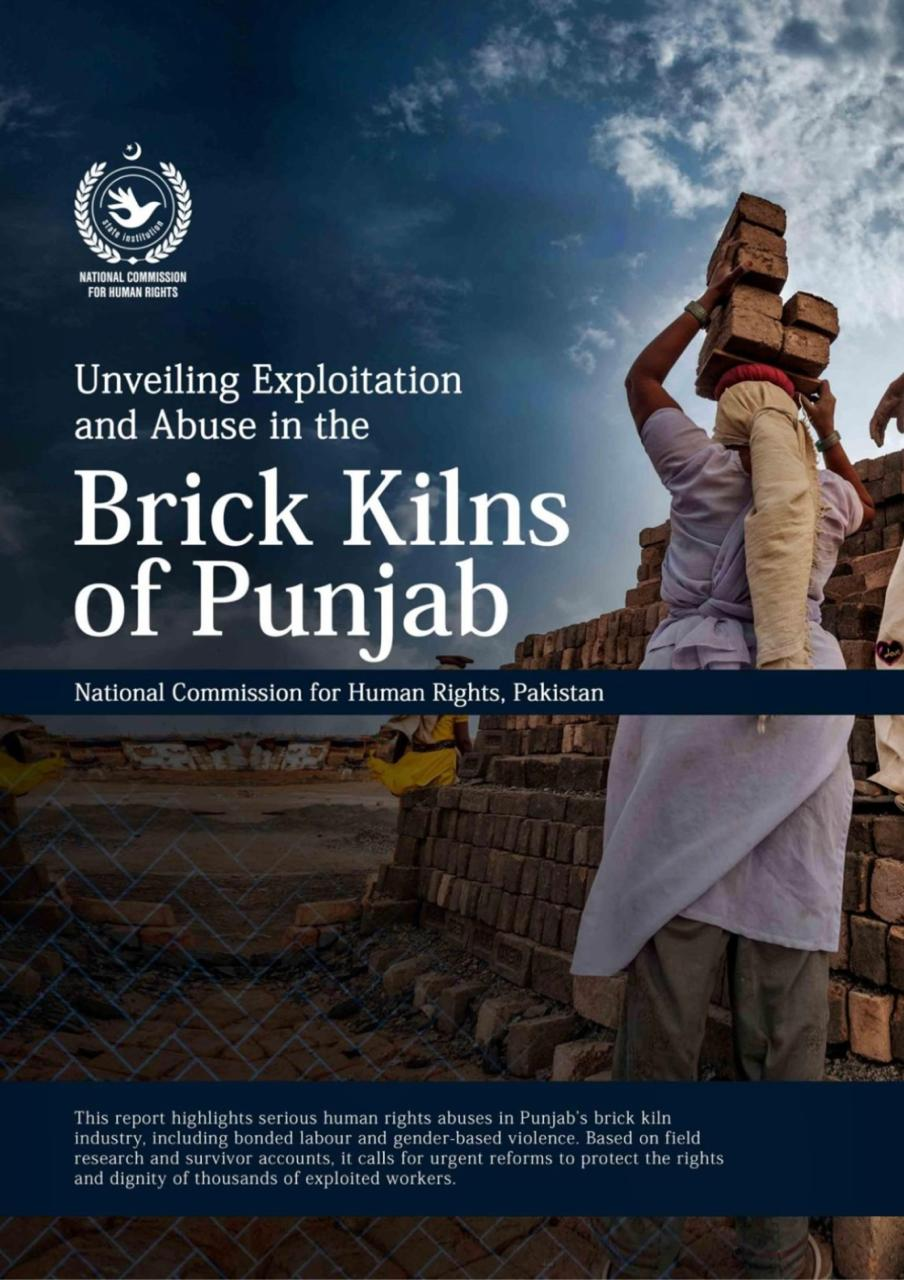
Unveiling Exploitation and Abuse in the Brick Kilns of Punjab
In 2025, NCHR published the second volume of its research on bonded labour in Pakistan’s brick kiln industry, with a particular focus on Punjab, where over half of the country’s kilns are located and more than 186,000 workers are employed. Despite existing domestic legislation and Pakistan’s international obligations, the industry remains one of the most entrenched sites of systemic exploitation, where entire families particularly women and children are trapped in intergenerational cycles of debt bondage.
Building upon the findings of its earlier national report, this study documents the persistence of bonded labour and the multiple forms of abuse faced by brick kiln workers. It combines quantitative surveys of 200 workers, qualitative interviews with 25 survivors, and consultations with key stakeholders, including the Punjab Labour Department, trade unions, and the Brick Kiln Owners Association of Pakistan. This mixed-methods approach provided a comprehensive understanding of the structural injustices that underpin life in the kilns.
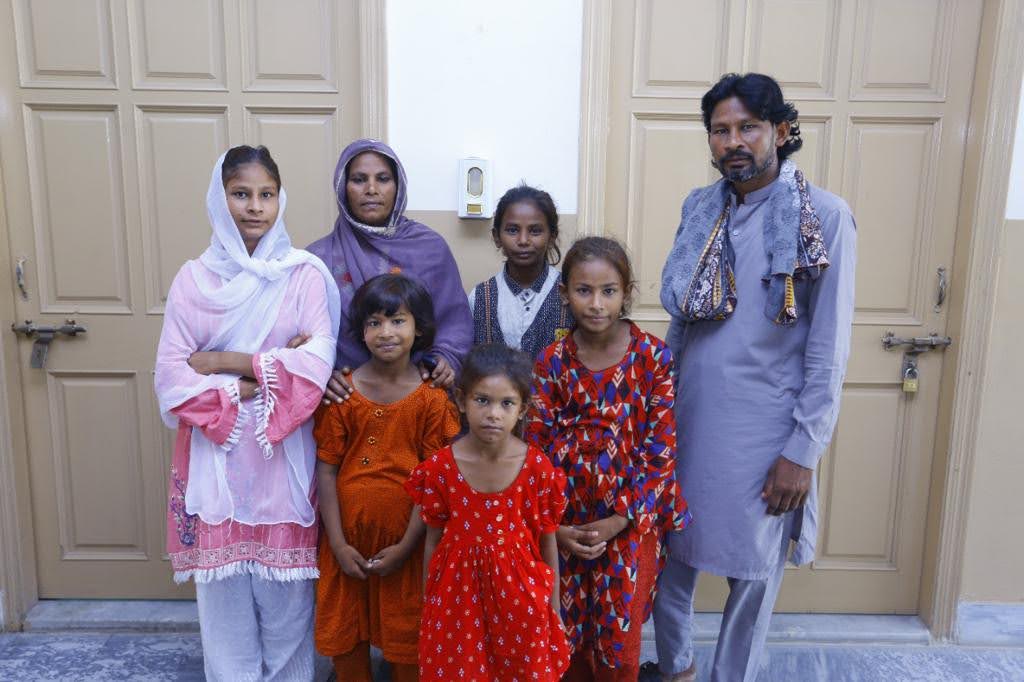
Family freed from Bonded Labour
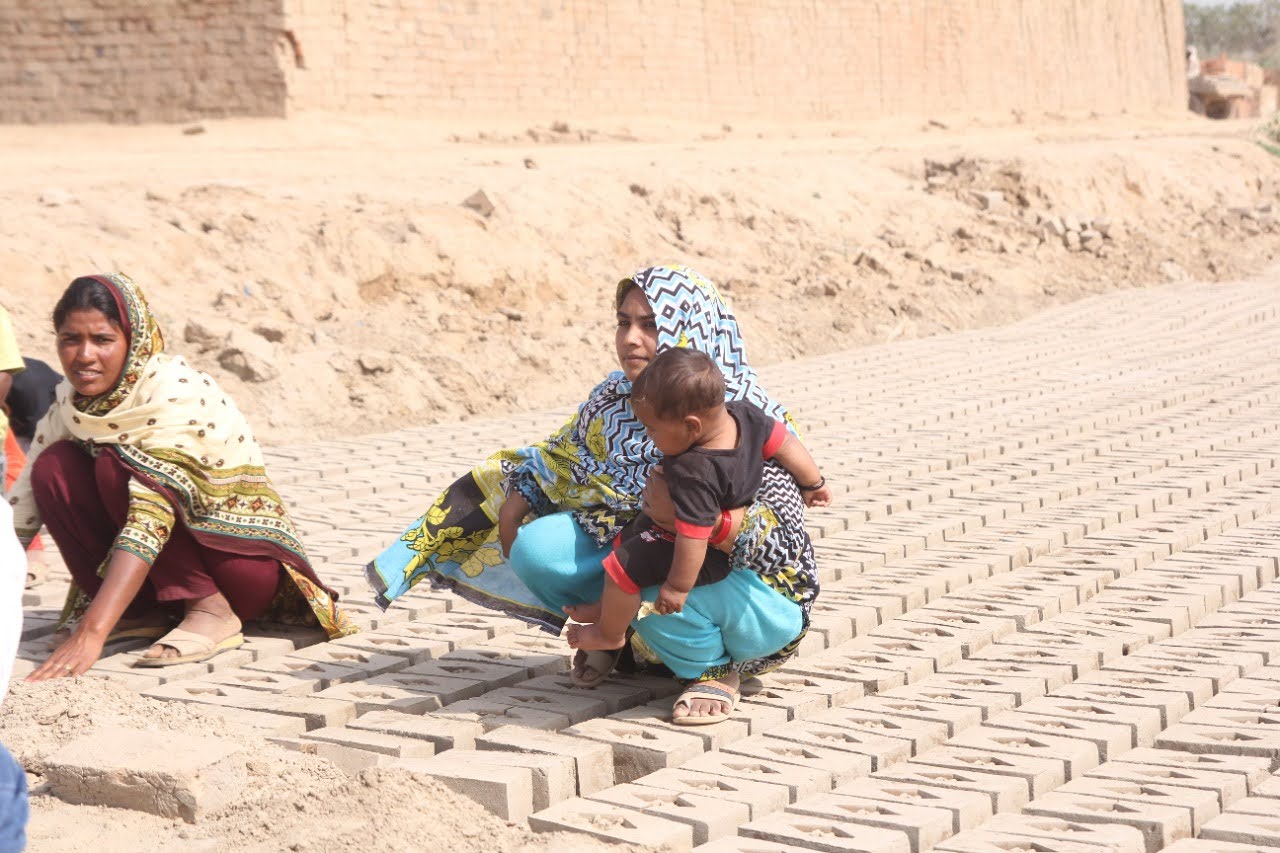
Women in Bonded Labour
The report exposes the core drivers of exploitation, including denial of fair wages, absence of written contracts or social protections, unsafe working conditions, and inadequate housing and sanitation. Women workers face compounded vulnerabilities, subjected not only to exploitative labour but also to sexual harassment, forced marriages, and gender-based violence. The health consequences are severe, ranging from chronic respiratory and musculoskeletal illnesses to reproductive complications, further aggravated by a lack of protective equipment and medical access. Alongside physical harm, the research underscores the profound psychological trauma and psychosocial distress endured by workers.
Importantly, the study identifies major institutional and legal failures, particularly the weak functioning of District Vigilance Committees, which are mandated to prevent bonded labour but remain largely ineffective.
To address these systemic issues, the report puts forward concrete recommendations, including:
- Ratification of relevant ILO conventions and amendments to health and safety legislation.
- Institutionalizing gender-sensitive oversight by appointing female labour inspectors.
- Establishing a centralized digital complaint management system for workers.
- Strengthening District Vigilance Committees and expanding social protection schemes.
- Creating a rehabilitation fund for rescued bonded labourers.
- Integrating anti-harassment protections into bonded labour legislation.
- Promoting sustainable and ethical kiln practices, including supply chain transparency.
This knowledge product is more than a documentation of exploitation, it is a call to action. It urges policymakers, labour authorities, and civil society to move beyond acknowledgment toward meaningful change. By demanding accountability, enforcement of laws, and ethical labour practices, the report envisions a future where bricks are no longer produced at the cost of human dignity, and where resilience is met not with exploitation, but with justice.
NCHR not only published its report on bonded labour in Pakistan’s brick kiln industry but also launched a dedicated social media campaign to amplify its findings and bring the voices of affected communities to the forefront. The campaign shed light on the everyday struggles of kiln workers in Punjab families trapped in cycles of debt, women forced to return to harsh labour days after childbirth, and children denied the right to education and a childhood. By highlighting these stories, the campaign emphasized the urgent need to address the root causes of bonded labour, from exploitative debt practices to weak enforcement of labour protections.
In a significant recognition of the NCHR’s efforts, the UK House of Lords acknowledged the Commission’s invaluable contribution to addressing human rights violations in the brick kiln sector in Pakistan. In their report titled “Exploitation of Bonded Brick Kiln Labourers in Pakistan: The Unseen Modern Slavery”, the House of Lords highlighted the persistent issue of bonded labor in Pakistan’s brick kilns, shedding light on the grave human rights abuses suffered by workers in this sector.
The NCHR’s Chairperson, Ms. Rabiya Javeri Agha, was cited as an Inquiry Advisor to the House of Lords in this critical investigation report. The Commission’s expertise and insights, particularly regarding the systemic exploitation and forced labor in brick kilns, were instrumental in shaping the report’s recommendations and policy recommendations aimed at addressing modern slavery in Pakistan.
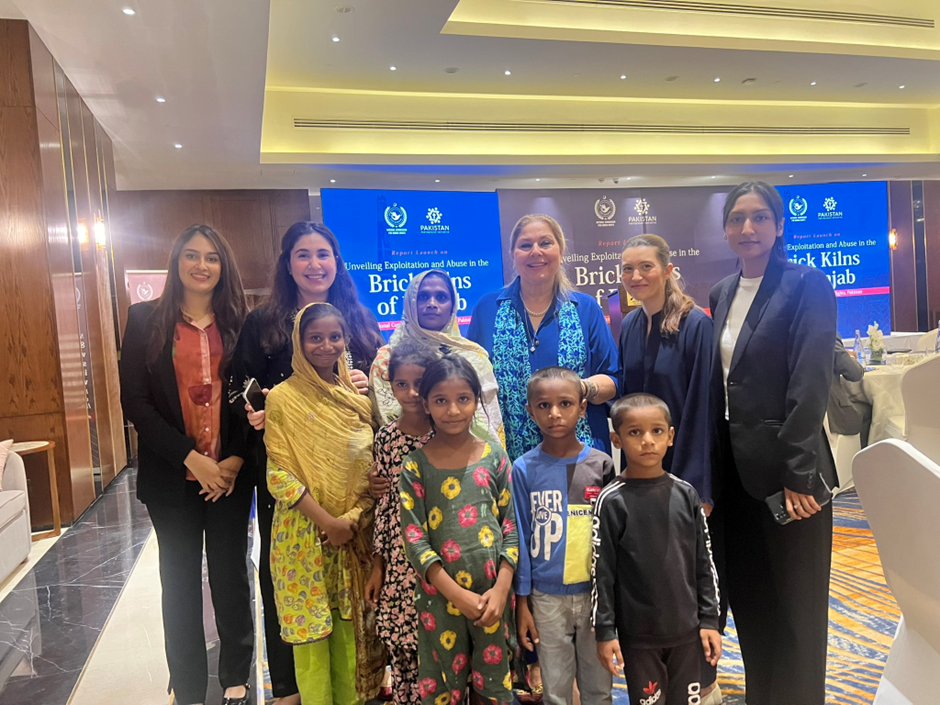
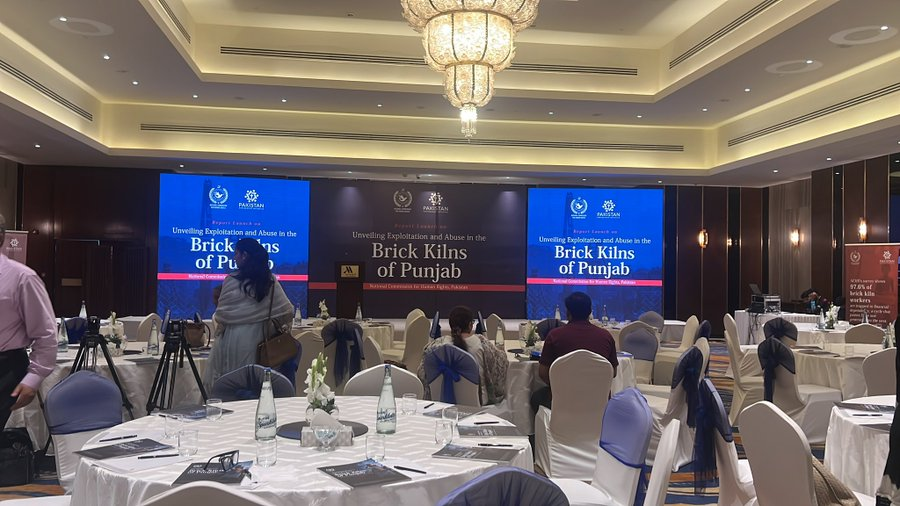
Through digital platforms, NCHR was able to extend the report’s reach far beyond traditional advocacy spaces, ensuring that its powerful message resonated with a wide audience. The campaign served not only as a call to action but also as a reminder of the dignity and rights of those whose labour continues to be exploited. By humanizing the issue and amplifying the lived experiences of kiln workers, NCHR underscored the importance of collective efforts to break the cycle of exploitation and ensure that justice, protection, and equality are upheld for some of Pakistan’s most vulnerable communities.
Situation Report on the Ahmadiyya Community
As part of its mandate to promote and protect human rights in Pakistan, NCHR has continued its monitoring of the situation of the Ahmadiyya community. This second Situation Report on the Ahmadiyya Community presents an updated and consolidated account of human rights violations documented between 12 September 2023 and 23 October 2025, building upon the Commission’s earlier reporting on this issue.
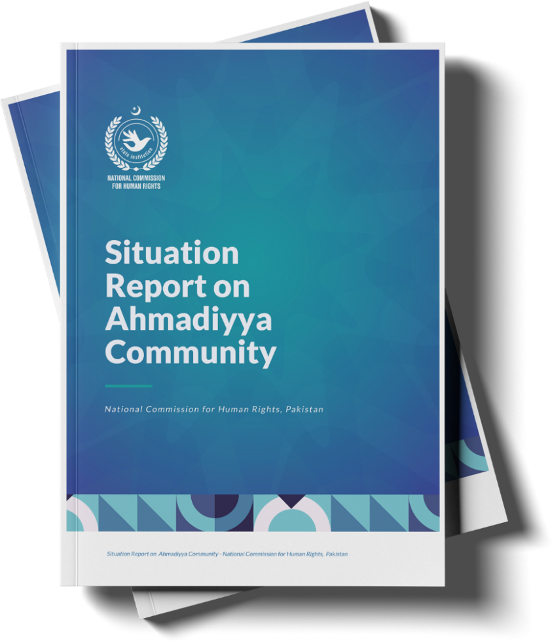
The report is based on a comprehensive review of formal complaints submitted by community representatives and concerned citizens, verified media reports, field information, and testimonies gathered through direct engagement with affected individuals. Verified cases received directly from the community were compiled through June 2025, while incidents reported in the media were documented for the subsequent months. The rising volume, consistency, and severity of these complaints necessitated a follow-up assessment to identify recurring patterns, emerging trends, and the evolving nature of risks faced by the community.
Findings of the report reveal a disturbing escalation in violence, discrimination, and social exclusion targeting members of the Ahmadiyya community. Documented incidents include harassment, intimidation, desecration of places of worship and graves, and the misuse of laws restricting the community’s religious expression. In several cases, violations were enabled or compounded by the failure of local authorities, particularly the police to prevent attacks, provide protection, or respond effectively, contributing to an environment of fear, marginalization, and insecurity among Ahmadi citizens.
The impact of these violations extends well beyond physical harm or property damage. Persistent social ostracization, threats to livelihoods, legal persecution, and repeated attacks on religious symbols have severely undermined the community’s sense of safety and its ability to participate freely in social and public life. The report underscores how such entrenched discrimination violates Pakistan’s constitutional guarantees of religious freedom and equal citizenship, while also eroding the broader social fabric by normalizing intolerance and impunity.
Through this situation report, the NCHR seeks to present an evidence-based assessment of the challenges faced by the Ahmadiyya community and to inform institutional response, advocacy, and policy engagement. The Commission emphasizes the urgent need for robust institutional accountability, effective law enforcement oversight, and proactive measures to prevent religiously motivated violence, as well as sustained efforts to promote interfaith harmony. This report thus serves both as a record of ongoing human rights violations and as a call for renewed commitment by the State to uphold the principles of justice, equality, and human dignity for all citizens of Pakistan.
Human Rights Implications of Pakistan’s Cybercrime Law: NCHR Report on PECA and the 2025 Amendments Act
The National Commission for Human Rights (NCHR) undertook a comprehensive review of the Prevention of Electronic Crimes Act (PECA) Amendment Act 2025 to assess its compatibility with Pakistan’s constitutional guarantees and international human rights obligations. This report, grounded in evidence-based analysis and multi-stakeholder consultations, explores how the evolving digital landscape intersects with core human rights, particularly freedom of expression, privacy, and access to information.
While PECA was originally designed to protect citizens from cybercrimes such as online harassment, hate speech, and exploitation, its subsequent implementation has exposed deep governance and rights-based challenges. The report finds that the 2025 amendments, though introduced for strengthening digital security, have in practice expanded in ways that risk curtailing fundamental freedoms. Broad and ambiguous definitions within the law have enabled arbitrary interpretation and selective enforcement, resulting in the censorship, intimidation, and prosecution of journalists, political activists, and ordinary citizens exercising their right to dissent.
Through consultations with journalists, digital rights advocates, civil society, and legal experts, the NCHR’s analysis reveals a pattern of regulatory overreach and weak procedural safeguards that undermine public trust in digital governance. Particularly concerning is the chilling effect on media freedom and the disproportionate impact on women and gender-diverse persons who already face heightened vulnerability to online harassment and surveillance.
The report emphasizes that genuine digital safety cannot be achieved through restrictive or punitive measures. Instead, it calls for a rights-based digital governance framework anchored in transparency, accountability, and proportionality. Among the key recommendations are:
- Revising vague legal provisions to align with international human rights standards;
- Establishing independent oversight and redress mechanisms for digital rights violations;
- Enhancing digital literacy and institutional capacity within law enforcement and the judiciary; and
- Fostering meaningful collaboration between the state, media, and civil society to promote responsible digital citizenship.
By critically examining the human rights dimensions of the PECA Amendment Act 2025, this report reaffirms NCHR’s role as a guardian of constitutional freedoms in the digital age. It underscores that Pakistan’s journey toward digital security must not come at the expense of digital freedom. A balanced, transparent, and inclusive approach is imperative to ensure that technology serves as a tool for empowerment not suppression in Pakistan’s democratic and rights-based future.
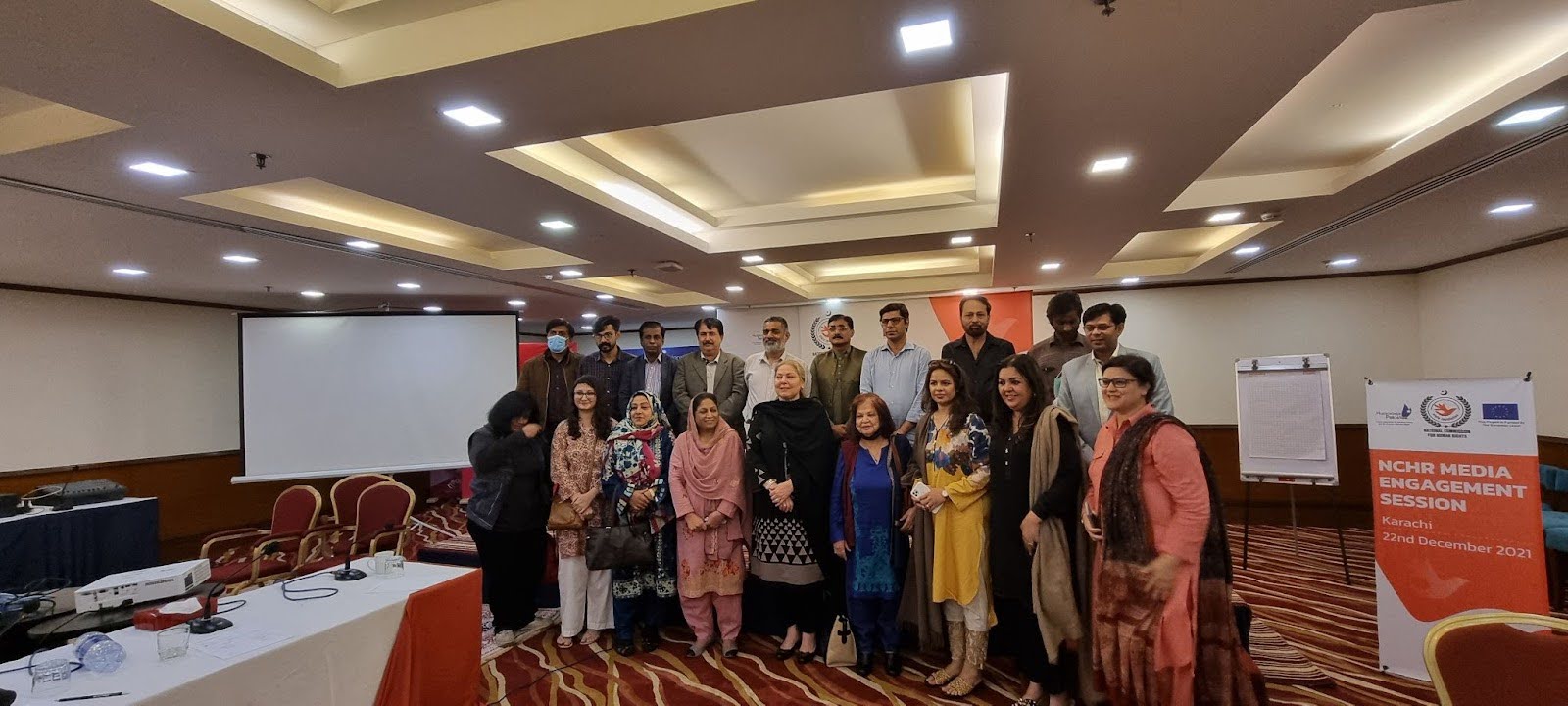
NCHR Media Consultation
Caught in the Current – The Fishermen Trapped by Geopolitics and Marginality
The arrest and prolonged detention of Indian and Pakistani fishermen who inadvertently cross maritime boundaries remains one of South Asia’s most persistent yet least addressed humanitarian crises. Caught in the Current documents is NCHR’s sustained efforts to confront this injustice through evidence-based advocacy, institutional collaboration, and a rights-based approach to cross-border detention.
This report chronicles a major humanitarian milestone: the successful repatriation of over 650 Indian fishermen from Pakistani jails in 2023, the largest coordinated release in recent years, followed by additional repatriations in 2025. These outcomes reflect systematic engagement with the Ministries of Foreign Affairs, Interior, and Maritime Affairs, prison administrations, civil society partners, and World Fishermen Forums. They also reflect the moral high ground that Pakistan has taken, despite lack of equal reciprocal action from the Indian side. Beyond the numbers, the report sheds light on the lives behind the statistics: poor, marginalized fishermen who venture into treacherous seas not as offenders but as breadwinners, often with no awareness of invisible maritime boundaries.
Through extensive fieldwork, prison monitoring, and formal communications with relevant authorities, NCHR uncovered entrenched systemic barriers including delays in consular access, nationality verification, and coordination between agencies that prolong detention even after the completion of sentences. The findings also expose serious lapses in the implementation of the 2008 Consular Access Agreement and the prolonged dormancy of the Indo-Pak Joint Judicial Committee, both critical mechanisms for addressing the plight of cross-border prisoners.
Despite these obstacles, NCHR’s campaign demonstrates that institutional perseverance and principled diplomacy can deliver tangible humanitarian outcomes even amidst geopolitical strain. By framing repatriation as a matter of human rights rather than political favor, the Commission has set an important precedent for rights-based diplomacy in South Asia.
The report advances a series of pragmatic and actionable recommendations, including:
- Reviving the Indo-Pak Joint Judicial Committee to oversee cross-border prisoner welfare;
- Creating a public digital database for tracking foreign detainees and their legal status;
- Institutionalizing repatriation protocols with clear timelines and accountability mechanisms; and
- Appointing designated focal persons in relevant ministries to ensure inter-agency coordination and timely action.
Ultimately, this report affirms that compassion and accountability must guide government action even where politics divide. The NCHR’s work exemplifies how independent human rights institutions can transform policy inertia into humanitarian progress. It calls for both Pakistan and India to uphold their shared moral and legal obligations to protect vulnerable fishing communities ensuring that no life is lost or languishes behind bars for merely crossing an unseen line in the sea.
Situation Report: Monitoring the Plight of the Ahmadiyya Community
In fulfilling its statutory duties, the National Commission for Human Rights (NCHR) closely monitored media reports and received numerous complaints from the Ahmadiyya community. These complaints, both individual and submitted by Ahmadiyya organizations, contained detailed accounts of human rights violations and attacks on places of worship, and desecration of graves and burial grounds, highlighting the community’s status as one of the most persecuted communities in Pakistan.
The NCHR conducted a situation report to assess the nature and extent of these violations, which included violence, discrimination, and threats to life and property. Despite constitutional guarantees for religious freedom and the legal entitlement to profess one’s religion, these rights remained largely unfulfilled in practice for the Ahmadiyya community. The government’s role in ensuring the realization of these rights was deemed crucial, and the Commission urged immediate action to address the persecution faced by the Ahmadiyya community.
To address the situation, the NCHR took several proactive steps, including:
- Writing to the Ministry of Human Rights, local and district administrations, and police to demand swift action against those perpetrating religious persecution and violence.
- Intervening in cases where students had been expelled due to their faith, facilitating their readmission.
- Preventing attacks on places of worship and ensuring the enforcement of Section 297 PPC, which criminalizes trespass on places of sepulture and the desecration of human corpses.
The Commission continues to advocate for strong, urgent action from both federal and provincial governments to protect the Ahmadiyya community and called for full implementation of their human rights entitlements. NCHR stressed that urgent government intervention is necessary to address the ongoing persecution and discrimination against this vulnerable group.
Situation Analysis of Child Labour in Punjab
The Situation Analysis of Child Labour in Punjab report provides a comprehensive overview of the current state of child labour in the province. It examines the prevalence, contributing factors, and the existing policy and legal frameworks addressing child labour. The report identifies key challenges impeding efforts to combat this issue and highlights the socio-economic and systemic factors driving child labour in Punjab.
By presenting evidence-based recommendations, the report aims to guide relevant stakeholders—including parliamentarians, government agencies, non-governmental organizations, and the general public—in developing and implementing effective strategies to combat child labour.
The analysis emphasizes the need for coordinated actions to:
- Protect children’s rights,
- Enhance enforcement of legal protections, and
- Promote the well-being and development of affected children.
The report is a call to action for fostering a deeper understanding of child labour and accelerating efforts to eradicate it, ensuring a safer and more equitable future for Punjab’s children.
Protecting the Rights of Foreign Nationals Imprisoned in Pakistan
This report highlights Pakistan’s obligation, under international law and its Constitution, to safeguard the fundamental rights of foreign nationals incarcerated in its prisons. As of April 2024, 1,107 foreign nationals are detained across Pakistan’s prisons. Many of these individuals face significant challenges, including inadequate legal representation, lack of translators, and limited consular assistance from their diplomatic missions. These circumstances leave them vulnerable within Pakistan’s legal system, unable to effectively communicate with courts or present evidence from their home countries, often resulting in disproportionately harsher penalties.
To address these issues, the report emphasizes the importance of enhancing coordination between government agencies, diplomatic missions, and National Human Rights Institutions to ensure effective consular assistance and improve identification and verification processes. It calls for the formulation and implementation of a unified policy on consular access for foreign nationals, amending the Pakistan Prison Rules to include provisions for consular support. Measures must be taken to ensure foreign nationals are informed of their right to consular assistance upon arrest and detention, with guaranteed access to legal counsel and consular officers in accordance with the Vienna Convention on Consular Relations. Training and education for law enforcement, prison, and judicial officials on these rights and the vulnerabilities of foreign nationals are also essential.
The report further recommends that Pakistan actively negotiate and implement prisoner transfer agreements to enable foreign nationals to serve their sentences in their home countries. Safeguards for the rights of foreign nationals should be codified into the Pakistan Prison Rules, and detention conditions must adhere to international standards. Ensuring regular contact between prisoners and their families is also critical.
By adopting these recommendations, Pakistan can better protect the rights of foreign nationals in its prisons, align its practices with international standards, and strengthen its commitment to human rights and the rule of law[1].
Perilous Journeys: Unravelling Irregular Migration from Pakistan
NCHR conducted a comprehensive analysis of irregular migration from Pakistan, distinguishing human trafficking from migrant smuggling based on factors such as purpose, legality, consent, and transnationality. While both are subsets of irregular migration, they involve distinct legal and enforcement challenges. Irregular migration encompasses practices such as undocumented movement, overstaying visas, and coerced migration, often leaving migrants without legal recognition and exposing them to significant human rights violations[3].
The report highlights how global forums, such as the Colombo Process and Asia-Pacific Consultations, prioritize border control over human rights, limiting protection for migrants. Pakistan’s migration routes have shifted, with a growing number traveling through Dubai to Egypt or Libya before attempting entry to Europe. By mid-2023, Pakistan had become the fifth most prominent country of origin for migrants to Europe, driven by political instability, economic uncertainty, terrorist activity, and environmental disasters like the 2023 floods. These factors exacerbate poverty and reduce opportunities for employment and education, fueling migration despite its risks.
Economic opportunity remains the primary driver of migration, influenced by job availability, education, and social networks. A significant portion of Pakistan’s population, especially in urban areas, expresses a desire to migrate. In response, Pakistan introduced anti-trafficking and anti-smuggling legislation in 2018, empowering the Federal Investigation Agency (FIA) to prosecute criminal networks while protecting victims. However, restrictive policies often push migrants towards more dangerous crossing methods.
The report calls for a collaborative, multifaceted approach involving government agencies, civil society, and international stakeholders to address the root causes of migration and protect migrant rights. It emphasizes the need for policies that reduce vulnerabilities and improve socioeconomic opportunities, alongside enforcement measures targeting organized crime. The report received widespread acclaim,
garnered significant media attention, and was launched in three major cities.
Technical Note on Child Protection for Children on the Move
NCHR has actively advised the Pakistani government on addressing child protection challenges and ensuring the enforcement of child rights, particularly for vulnerable groups such as Children on the Move. Through consultations with children, civil society organizations, and policymakers, NCHR has emphasized safeguarding these children. It has handled multiple complaints involving Children on the Move in collaboration with the police and UN agencies, adhering to international standards.
NCHR conducted visits to detention facilities where children accompanying their mothers and juveniles under trial, including Afghan refugee children, were identified. Following media reports, the NCHR assessed the conditions of Afghan refugees in Sindh’s detention centers and issued a report with recommendations to the government. In line with the Juvenile Justice System Act 2018, the NCHR has also worked with the police and judiciary to provide legal aid to juveniles in detention and support family reunification efforts.
Despite these commendable initiatives, Children on the Move continue to face significant risks and challenges, necessitating a systemic and robust response. To address this, NCHR has developed a technical note as a guiding tool for state actors, civil society members, and other stakeholders. This document aligns with Pakistan’s international obligations and domestic legal framework, offering best practices for cross-border management, detention support, and family reunification. It also includes updated resources to enhance legal and technical compliance, aiming to improve the protection and support for Children on the Move.
Gap Analysis: Torture and Custodial Death (Prevention and Punishment) Act, 2022
NCHR, in collaboration with the Justice Project Pakistan (JPP), undertook a comprehensive gap analysis of the Torture and Custodial Death (Prevention and Punishment) Act, 2022 to assess its compliance with international standards. While the Act represents a significant milestone in Pakistan’s legislative history, the analysis highlights several areas where it falls short of the requirements set by the UN Convention Against Torture (UNCAT) and other international instruments.
Key shortcomings include the exclusion of psychological pain and suffering from the definition of torture, ambiguous complaint and investigation procedures, absence of provisions for non-refoulement, and failure to reference critical international protocols like the Istanbul Protocol, Minnesota Protocol, and Mendez Principles. Additionally, the Act does not penalize cruel, inhuman, and degrading treatment (CIDT), undermining efforts to comprehensively address torture.
The reliance on the Pakistan Penal Code (PPC) for punishments inadequately addresses the specific crimes of torture and custodial death and is misaligned with international standards. Penalizing “malafide” complaints contradicts Article 13 of the UNCAT, risking the suppression of genuine victims from filing complaints.
Although the Federal Investigation Agency (FIA) has jurisdiction to investigate torture cases under NCHR supervision, the Act fails to define their roles and responsibilities clearly. Over a year since its passage, no dedicated FIA wing for custodial torture investigations exists, nor does a complaint mechanism for such cases on its official platform. The overlap with the Anti-Rape (Investigation and Trial) Act, 2021 also raises procedural ambiguities, particularly concerning custodial rape cases..
To enhance the Act’s impact, immediate steps are required to align it with the UNCAT and international standards, operationalize its provisions, and develop enabling rules. This includes clear investigation procedures, robust complaint mechanisms, and delineation of responsibilities between the NCHR and FIA, ensuring the Act fulfills its potential to strengthen Pakistan’s criminal justice and human rights framework.
Inquiry Report: Risks of Sanitation Work in Pakistan
Sanitation workers in Pakistan face hazardous working conditions, systemic discrimination, and insufficient legal protections. These challenges are exacerbated by the lack of enforcement of Occupational Safety and Health (OSH) standards and the profession’s stigmatization. Predominantly composed of marginalized groups, including religious minorities, these workers are subjected to economic desperation and social ostracization, often forced to take life-threatening risks to sustain their livelihoods. Despite some initiatives to address these issues, discriminatory practices and the absence of robust safety protocols persist, leaving workers vulnerable.
NCHR has been at the forefront of advocating for the rights and safety of sanitation workers. The tragic deaths of four sanitation workers in March 2024, who entered manholes without proper protective equipment (PPE), highlight the dire need for systemic reforms. Driven by economic desperation, these workers were exposed to toxic fumes, a preventable tragedy that underscores the urgency of implementing protective measures.
NCHR has called for stronger enforcement of safety regulations, including mandatory PPE, regular safety training, and adherence to protocols for working in confined spaces. Addressing economic instability through fair wages and social safety nets is crucial to reducing the pressures that lead workers to compromise their safety. Raising awareness about workplace hazards and investing in mechanized alternatives to manual sewer cleaning are also critical steps. Furthermore, the report emphasizes the importance of accountability, with stricter inspections and penalties for non-compliance, as well as collaboration between government bodies, community organizations, and advocacy groups to support workers through legal aid, health services, and financial assistance.
The report urges the Government of Pakistan to take decisive action to formalize employment, enforce OSH standards, and phase out hazardous manual sewer cleaning. These measures are essential not only for regulatory compliance but also as a moral obligation to protect the lives and dignity of sanitation workers. NCHR remains committed to advocating for the rights and well-being of these workers and stresses the need for collective efforts to implement these critical policy interventions.
NCHR Investigation into Blasphemy Cases
In response to complaints regarding the entrapment of young individuals on blasphemy charges linked to alleged pornographic and blasphemous websites, NCHR initiated an independent inquiry in October 2023. This investigation aimed to verify the authenticity of these complaints, explore the reasons behind the rise in blasphemy cases over the past three years, and ensure that due process had been followed. The Commission’s inquiry involved nationwide jail visits, interviews with inmates, meetings with their families, and discussions with relevant government and law enforcement stakeholders, revealing significant flaws in the handling of these cases.
The inquiry uncovered a disturbing trend in which many blasphemy cases were initiated by the Federal Investigation Agency’s (FIA) Cybercrime unit in collaboration with private entities. Young men were often targeted through entrapment tactics, including female operatives using pseudonyms to lure them into blasphemous activities online. Arrests were frequently made by private individuals rather than law enforcement, with detainees subjected to torture, coerced statements, and obstructed access to legal aid. The failure to follow proper investigative procedures and conduct forensic analysis of devices further compromised the legitimacy of these cases.
The inquiry also revealed deplorable conditions in prisons, where those accused of blasphemy were often held in overcrowded, unsafe barracks to protect them from harm by other inmates. These individuals faced coercion, extortion, and violations of their privacy. The investigation highlighted a severe lack of support for young people facing pornography addiction, compounded by limited mental health services and digital literacy education, leaving many vulnerable to exploitation.
In light of these findings, NCHR has called for a comprehensive review of the roles of government and private entities involved, as well as urgent reforms in both investigative and judicial procedures. Recommendations include forming a Joint Investigation Team, scrutinizing FIA’s practices, enhancing digital literacy and mental health support for youth, and launching public awareness campaigns about responsible online behavior. These steps are crucial to ensuring the protection of young people and upholding fair legal processes in blasphemy cases.
Drivers of Forced Conversion through Marriage in Pakistan
Forced Conversion through Marriage (FCM) in Pakistan is a pervasive human rights issue primarily affecting minor girls and women from Religious Minority Communities (RMCs). Despite existing legal protections for religious freedom, FCM persists due to intertwined socio-cultural, economic, and political factors that heighten the vulnerability of RMCs. This research, a joint project of NCHR and the Legal Aid Society (LAS), explores the drivers of FCM, focusing on the intersection of gender, religion, and patriarchy, revealing how systemic discrimination exacerbates this practice.
The study underscores the complexity of “force” and “consent” in this context, identifying eight scenarios of FCM: willful, for shelter, induced, fraudulent, out of greed, exploitative, under duress, and forceful. Through Key Informant Interviews (KIIs) and In-Depth Interviews (IDIs) with survivors, along with secondary data, the research highlights the role of ideological motivations, societal power dynamics, and inadequate legal accountability in enabling FCM. Perpetrators often exploit religious and patriarchal ideologies, face minimal repercussions due to weak investigations and prosecutions, and are supported by local power structures. The socio-economic and political marginalization of RMCs further diminishes the autonomy of women and girls, exposing them to cycles of exploitation, abuse, and limited access to education.
The impacts of FCM are severe, including psychological trauma, physical and sexual abuse, and social stigmatization. At a community level, FCM erodes cultural heritage, undermines religious freedom, and deepens societal divisions. These practices perpetuate human rights violations and weaken the rule of law, exacerbating inequalities for RMCs and women.
This research aims to inform policymakers, NGOs, and stakeholders in developing targeted interventions to combat FCM. Recommendations include comprehensive legal reforms, effective enforcement mechanisms, proactive community engagement, and initiatives to promote interfaith dialogue. Such measures are critical to protecting vulnerable communities, fostering tolerance, and building a more equitable society in Pakistan.
Report on Pakistan’s Compliance with CERD
NCHR published its report to the Committee on the Elimination of Racial Discrimination, addressing the state of racial and ethnic discrimination in Pakistan. As a signatory to the International Convention on the Elimination of All Forms of Racial Discrimination (ICERD), Pakistan has committed to eliminating racial discrimination and fostering understanding among all ethnic and racial groups.
With over 240 million people, Pakistan is a multi-ethnic and multilingual nation, home to diverse groups such as Punjabis, Sindhis, Pashtuns, Baloch, Hazaras, Brahuis, and various religious groups including Christians, Hindus, Sikhs, and Ahmadis While this diversity enriches Pakistan’s culture, it also presents significant challenges, including persistent issues of racial and ethnic discrimination.
The report highlights that, despite ICERD’s obligations and Pakistan’s progress, instances of exclusion, restriction, and discrimination based on race, color, descent, or ethnic origin remain widespread. These issues fall under Article 1 of ICERD, which defines racial discrimination and underscores the need for urgent measures to address them.
Through this report, the NCHR fulfilled its mandate as a watchdog and advisor to the Government of Pakistan on human rights obligations under core UN conventions, including ICERD. The report provided a critical assessment of on-ground challenges, highlighting urgent areas requiring action to ensure Pakistan’s compliance with ICERD and its commitment to eliminating racial discrimination.
NCHR Submission to the Human Rights Committee: Government of Pakistan’s Second ICCPR Report
NCHR also submitted a written contribution for the Human Rights Committee’s consideration of Pakistan’s Second Report under the ICCPR. This submission draws on the Commission’s extensive work, its mandated functions, and publicly available data. The NCHR also raised the issues detailed in this submission with the Government of Pakistan and remained committed to engaging further with the Committee.
The submission provided a focused analysis of civil and political rights in Pakistan, addressing key population groups and thematic issues relevant to the International Covenant on Civil and Political Rights (ICCPR). Each section corresponds to relevant ICCPR articles and references the Committee’s list of issues dated 29 November 2023, where applicable. Recommendations by the NCHR are incorporated into the body of the text, emphasizing areas critical for the Government of Pakistan’s compliance with the ICCPR.
While the Commission acknowledges the importance of all recommendations provided by the Human Rights Committee in its 2017 Concluding Observations, it highlights five priority areas that warrant immediate attention:
- National Human Rights Institutions (Article 2)
Strengthening Pakistan’s NHRI framework, including ensuring their independence, adequate resources, and capacity to monitor and protect civil and political rights effectively. - Violence Against Women and Domestic Violence (Articles 6 and 9; General Comment 35)
Addressing the widespread prevalence of gender-based violence, enhancing legislative protections, and ensuring proper implementation and enforcement mechanisms. - Freedom of Conscience and Religious Belief (Articles 2, 18, and 26)
Promoting and safeguarding religious freedom, addressing systemic discrimination against minority groups, and ensuring equitable treatment under the law. - Elimination of Slavery and Forced and Bonded Labor (Articles 2, 7, 8, and 26)
Combating modern slavery and addressing the exploitation of vulnerable populations, with a focus on strengthening enforcement mechanisms and providing support for victims.
This submission reflects NCHR’s ongoing efforts to support Pakistan in fulfilling its international obligations under the ICCPR, ensuring the protection and promotion of civil and political rights for all its citizens.